The Wine Tasting Hangover: Why It Hits Different (and How to Avoid It)
2026-09-09
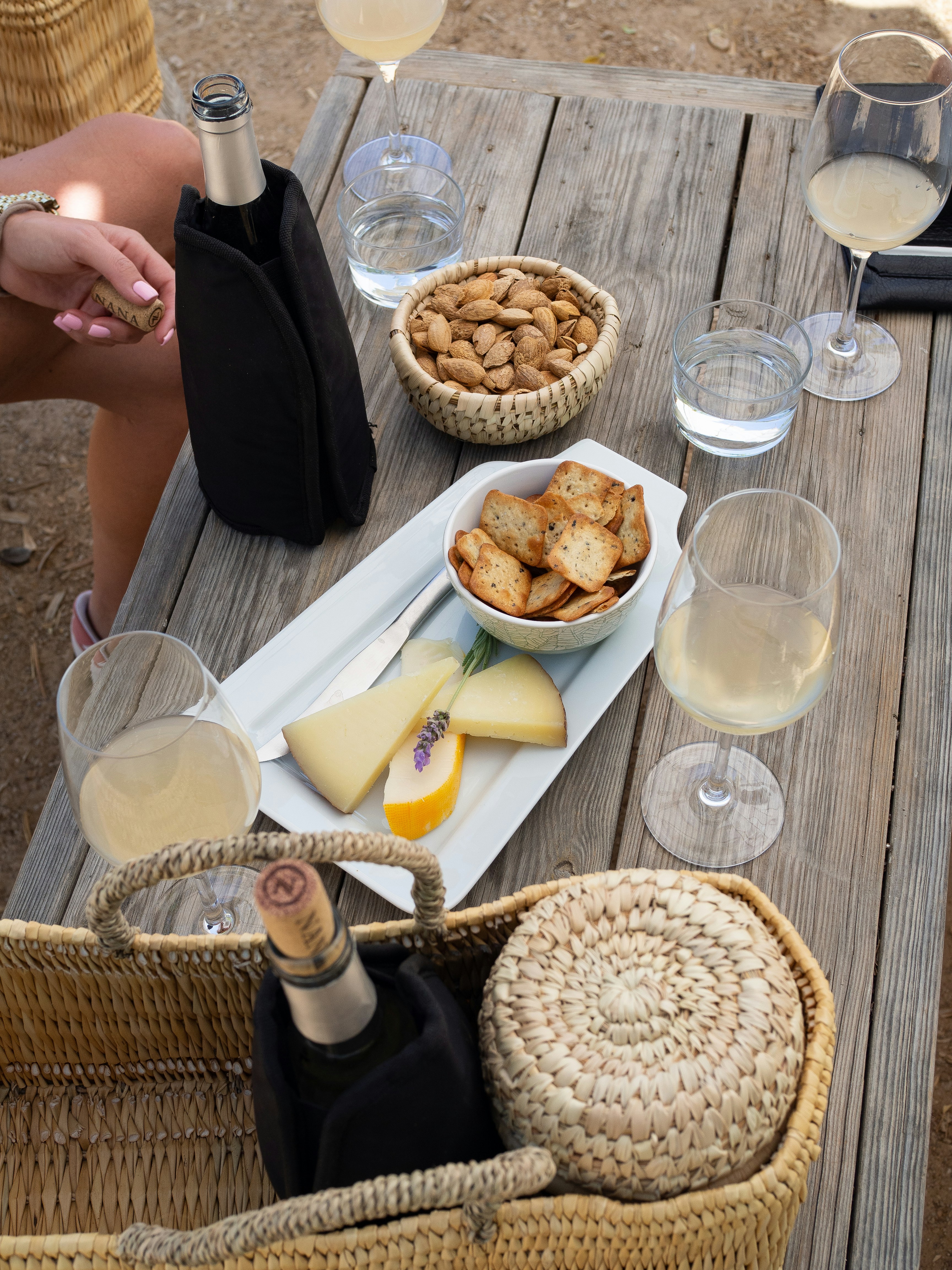
The Wine Tasting Hangover: Why It Hits Different (and How to Avoid It)
You didn't even drink that much. Four wineries, a few small pours at each, plenty of spitting — and yet the next morning feels like you closed down a bar. If that sounds familiar, you're not imagining it. A wine tasting hangover isn't really about volume. It's a handful of specific, avoidable habits stacking up over a full day in the sun. Here's what's actually going on, and how to head it off.
1. You're Dehydrated Before the First Pour
Tasting rooms are often warm, sometimes outdoors, and involve a lot of walking between spots. Most people show up already a little behind on water, then spend the day sipping wine instead of catching up. Alcohol is a diuretic on top of that, so the gap widens fast. Bring a water bottle and treat "a glass of water between wineries" as a rule, not an afterthought.
2. You're Not Using the Dump Bucket Enough
Every tasting room has one, and most people barely touch it out of politeness. You're not obligated to finish every pour. Tasting is about the first few sips — swirl, smell, taste, and if you're not planning to finish the glass, dump the rest. It's normal, expected, and it's the single easiest way to taste more wines while absorbing less alcohol.
3. You Skipped Real Food
A cheese plate is not lunch. Tannins and alcohol hit a lot harder on an empty or half-full stomach, and by winery three, "I'll eat later" has usually turned into "I never ate." Build an actual meal into the middle of the day, not just snacks between tastings.
4. The Sun Did More Damage Than the Wine Did
Heat and sun exposure dehydrate you independently of anything you're drinking, and the two effects compound. An afternoon outdoors on a tasting patio can leave you feeling rough the next day even on a light pour schedule. Sunscreen, shade breaks, and water aren't just comfort — they're hangover prevention.
5. You Tried to Fit in Too Many Wineries
This is the one people don't expect: over-scheduling is itself a cause. Racing between five or six wineries in a day means less time to eat properly, less time to hydrate, and more pours packed into fewer hours. Slower, well-paced days — with real breaks for food and water — consistently leave people feeling better the next morning than "see everything" days do.
The Short Version
Drink water like it's part of the tasting, use the dump bucket without guilt, eat a real meal, protect yourself from the sun, and don't overbook the day. None of this requires drinking less wine — just tasting it with a little more intention.
How We Help
Pacing is where most wine tasting hangovers actually start, and it's exactly what a planned day fixes. When we build your itinerary, we space out wineries with real time for food and water in between, rather than cramming in stops back-to-back. Curious what a well-paced day looks like? See a sample day, or tell us about your trip and we'll help you plan one, or go ahead and start planning directly.
Have Questions About Planning Your Trip?
We handle everything — reservations, itinerary, and logistics.
Ask A Question