How to Read a Wine Label Without Feeling Overwhelmed
2026-08-21
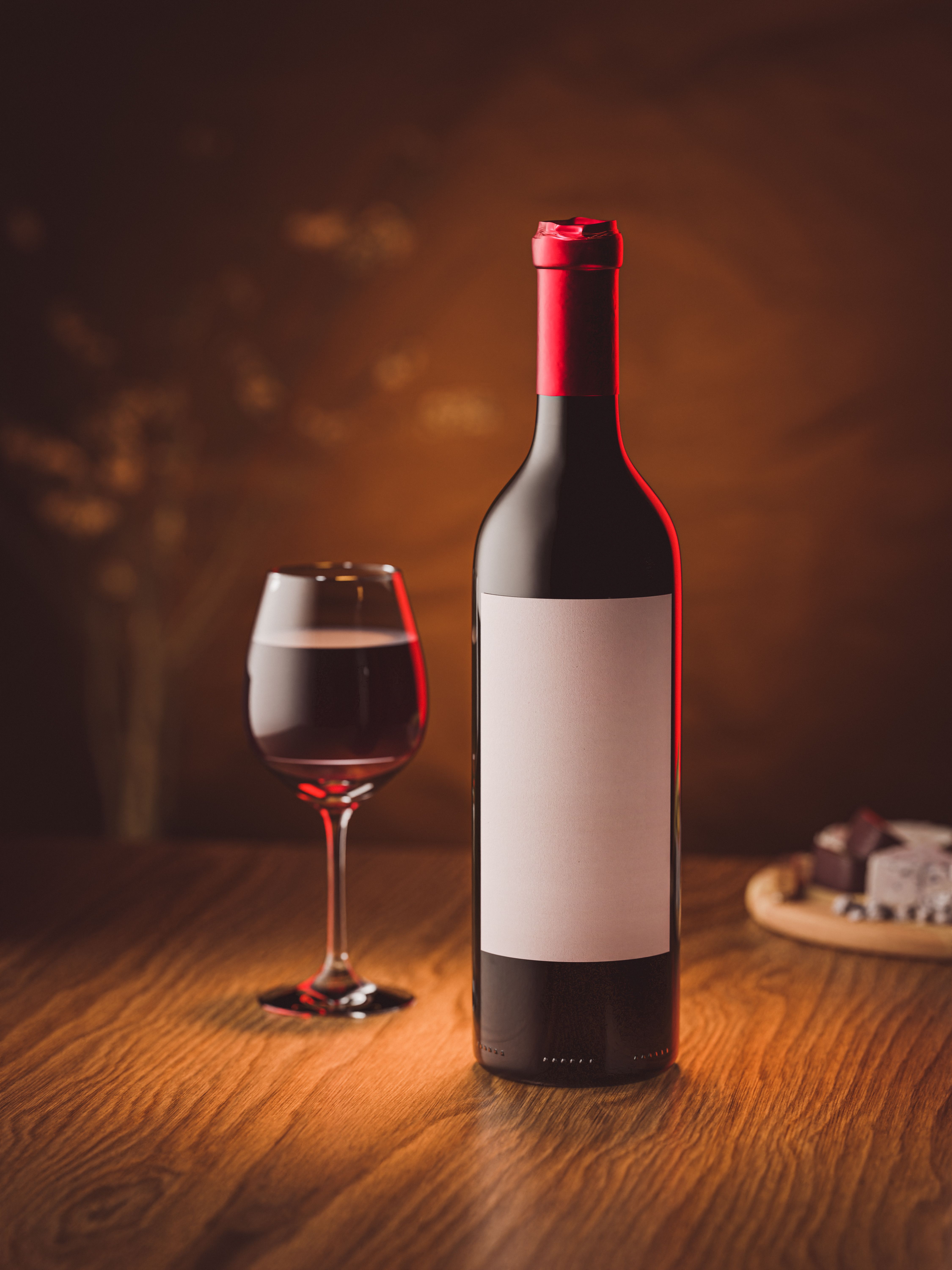
How to Read a Wine Label Without Feeling Overwhelmed
Standing in front of a wine shelf — or a tasting room list — and trying to decode a label can feel like reading a different language.
Producer or Winery Name
This is usually the biggest text on the label, and it's exactly what it sounds like — who made the wine. It's worth remembering the producers you like, because a winery's style tends to carry across their whole lineup, not just one bottle.
Vintage
The four-digit year is when the grapes were harvested, not when the wine was bottled or sold. Vintage matters more for some wines than others — a rainy or unusually hot growing season can noticeably change a wine's character year to year, especially for wines meant to age. For everyday drinking wines, don't stress too much over vintage variation.
Appellation or AVA (American Viticultural Area)
This tells you where the grapes were grown — something like "Napa Valley," "Russian River Valley," or "Sonoma Coast." The more specific the appellation, the more it's usually saying about the wine's character, since climate and soil vary a lot even within a single region. A label that just says "California" is telling you less than one that says "Rutherford" or "Carneros."
Varietal
This is the grape (or grapes) used to make the wine — Cabernet Sauvignon, Pinot Noir, Chardonnay, and so on. It's usually the biggest predictor of what you'll actually taste, and it's the detail most people already know to look for. Some labels list a single grape; others are blends and may just say "Red Blend" or list several varietals together.
Alcohol by Volume (ABV)
That small percentage near the bottom of the label — usually somewhere between 11% and 16% — tells you more than just how strong the wine is. Higher ABV often signals riper fruit and a bolder style; lower ABV tends to mean something lighter and crisper. A 14.5% Cabernet and a 12.5% Riesling aren't just different in strength — they're different in character, and the ABV is a quiet clue pointing at that before you even take a sip.
The Terms You Can Mostly Ignore
Words like "Reserve," "Old Vine," or "Estate" sound meaningful, but they're largely unregulated marketing terms in the U.S. — there's no legal definition requiring a "Reserve" bottling to actually be better than a winery's standard release. They're not meaningless, exactly — a winery is usually putting more care into a wine it chooses to label this way — but don't treat them as a guarantee the way you would an appellation or vintage.
Bringing It Together
None of this requires memorization. Once you know what to look for — who made it, when it was picked, where it grew, what grape it is, and roughly how bold it'll taste — a wine label stops being a wall of text and starts being useful information you can actually use to make a choice.
How We Help
Reading a label is one thing — building a whole day around wines you'll actually enjoy is another. That's where the label knowledge turns into something practical: knowing that a Rutherford Cabernet drinks differently than one from Carneros, or that a lighter ABV white might be the better call for an early tasting, are exactly the kinds of details we think through when planning your day.
Curious what a well-planned day actually looks like? See a sample wine country day or tell us what you're looking for and we'll help you build one.
Have Questions About Planning Your Trip?
We handle everything — reservations, itinerary, and logistics.
Ask A Question