How to Host a Blind Wine Tasting Party With Friends
2026-08-31
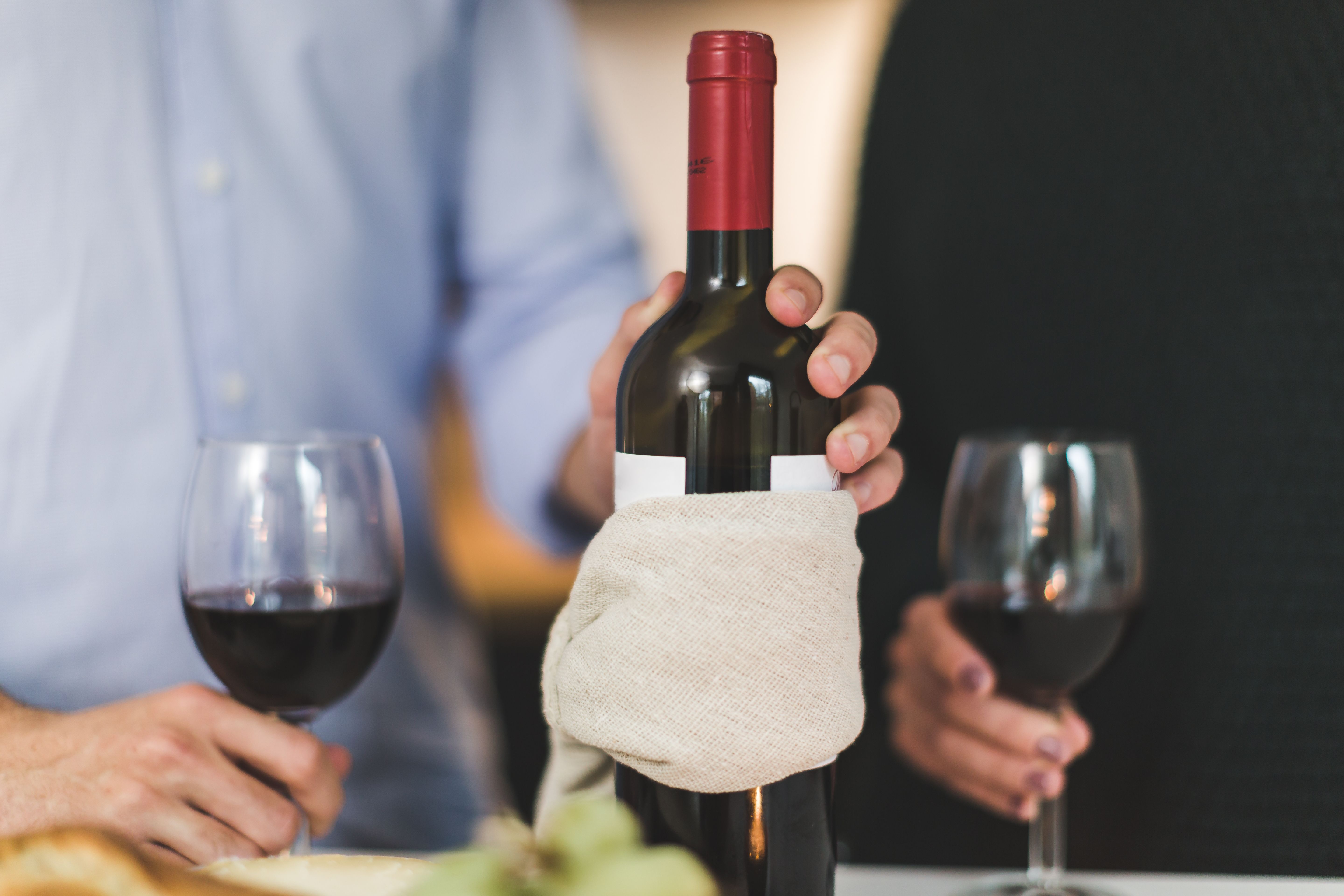
How to Host a Blind Wine Tasting Party With Friends
Some of the best wine education doesn't happen in a tasting room — it happens around a friend's kitchen table, with the labels covered and everyone loudly, confidently wrong about what's in their glass.
A blind tasting is one of the easiest, most fun ways to actually start understanding wine instead of just drinking it. Here's how to run one.
The Basic Setup
Everyone brings one bottle. Wrap each bottle in foil, a paper bag, or a sock — anything that fully hides the label and the shape of the bottle. Number them (Wine 1, Wine 2, etc.) and keep a master list somewhere only the host can see, matching each number to what it actually is.
Pour small tasting-sized amounts — an inch or two per glass is plenty. This isn't about how much you drink, it's about how many wines you can actually compare side by side before your palate gets tired.
What to Actually Guess
Keep it simple for a first attempt. Don't ask people to name the exact producer or vintage — that's a parlor trick, not a learning exercise. Instead, have everyone write down guesses for:
- Red or white (embarrassingly, this trips people up more than you'd think with certain rosés and orange wines)
- The grape — Cabernet Sauvignon, Pinot Noir, Chardonnay, Sauvignon Blanc, etc.
- Old World or New World — France/Italy/Spain vs. California/Australia/Chile. This one's genuinely learnable with a little practice.
What to Actually Look For
Color and clarity. Hold the glass up to a white background. Deeper, darker color often means a bolder red (Cabernet, Syrah); lighter, more translucent color leans toward something like Pinot Noir. For whites, a deeper gold can mean oak aging (often Chardonnay); pale, almost clear tends toward something crisp like Sauvignon Blanc.
Smell before you taste. This is where most of the real information is. Dark fruit and pepper often points toward Syrah or Zinfandel. Red fruit and something floral often points toward Pinot Noir. Green apple and citrus usually means a crisp white like Sauvignon Blanc; tropical fruit and vanilla often means an oaked Chardonnay.
Tannin and acidity. If your mouth feels dry and a little gripped after swallowing, that's tannin — a strong signal you're in red territory, and the more intense it is, the more likely it's something structured like Cabernet. High acidity (that mouth-watering feeling) is common in Sauvignon Blanc and many Pinot Noirs.
Make It a Real Event, Not Just a Quiz
The tasting itself only takes 20-30 minutes. Build the rest of the evening around it — a simple cheese board, some bread, maybe a modest prize for whoever guesses the most correctly (or the least, if your group leans competitive about being wrong). The reveal at the end is genuinely the best part — there's nothing like watching someone confidently call a $12 grocery store bottle "definitely French, probably $40+."
Where It Gets Genuinely Useful
Beyond being a fun night, a blind tasting is a real, low-stakes way to figure out what you actually like — not what a label or price tag told you to expect. A lot of people are surprised to learn they prefer the "cheaper" wine once the label's covered, or that they consistently guess Old World over New World, which says something real about their palate.
How We Help
If your group has a taste for this kind of thing, that's exactly the instinct that makes for a great wine country day — treating each tasting as a small experiment instead of just a pour to get through. Swirl, smell, taste, actually pay attention to what's in front of you — the same habits from tonight's blind tasting carry straight into a real tasting room. We build itineraries around wineries and pourers who reward that kind of curiosity, not just a quick script.
Curious what a well-planned day actually looks like? See a sample wine country day or tell us what you're looking for and we'll help you build one.
Have Questions About Planning Your Trip?
We handle everything — reservations, itinerary, and logistics.
Ask A Question